
Why Did My Insurance Go Up This Year?

Todd Schroeder • May 26, 2026

Share this article

Why Did My Insurance Go Up This Year?

If you’ve opened your renewal lately and thought, “Why did this go up so much?” — you’re not alone.

This is one of the most common questions we’ve been hearing recently. In most cases, nothing about your situation has changed. No accidents. No claims. No tickets. Yet your premium still increased.

So what’s going on?

It's Not Just You

First, this isn’t something specific to your policy or even your insurance company.

Rates have been increasing across the board — home, auto, and even boat insurance. This is happening nationwide, and there are several larger economic factors driving these changes.

 The Cost to Repair and Replace Has Increased

This is the biggest reason premiums are rising.

Today’s vehicles are significantly more advanced. Even a minor accident can involve sensors, cameras, radar systems, and computer calibrations. What used to be a simple repair is now far more complex and expensive.

Higher Labor and Parts Costs.

Labor rates have increased across the country. Auto body shops and contractors are paying more for skilled workers, and parts are more expensive than they were just a few years ago.

Insurance companies must pay these higher repair bills when claims occur.

Rising Construction Costs.

Building materials for homes — lumber, roofing materials, siding, electrical components — have all increased in cost. If a home is damaged, it costs significantly more to rebuild today than it did previously.

More Claims — and Larger Losses

Insurance spreads risk across a large group of people. Even if you haven’t filed a claim, others have.

Severe Weather Events.

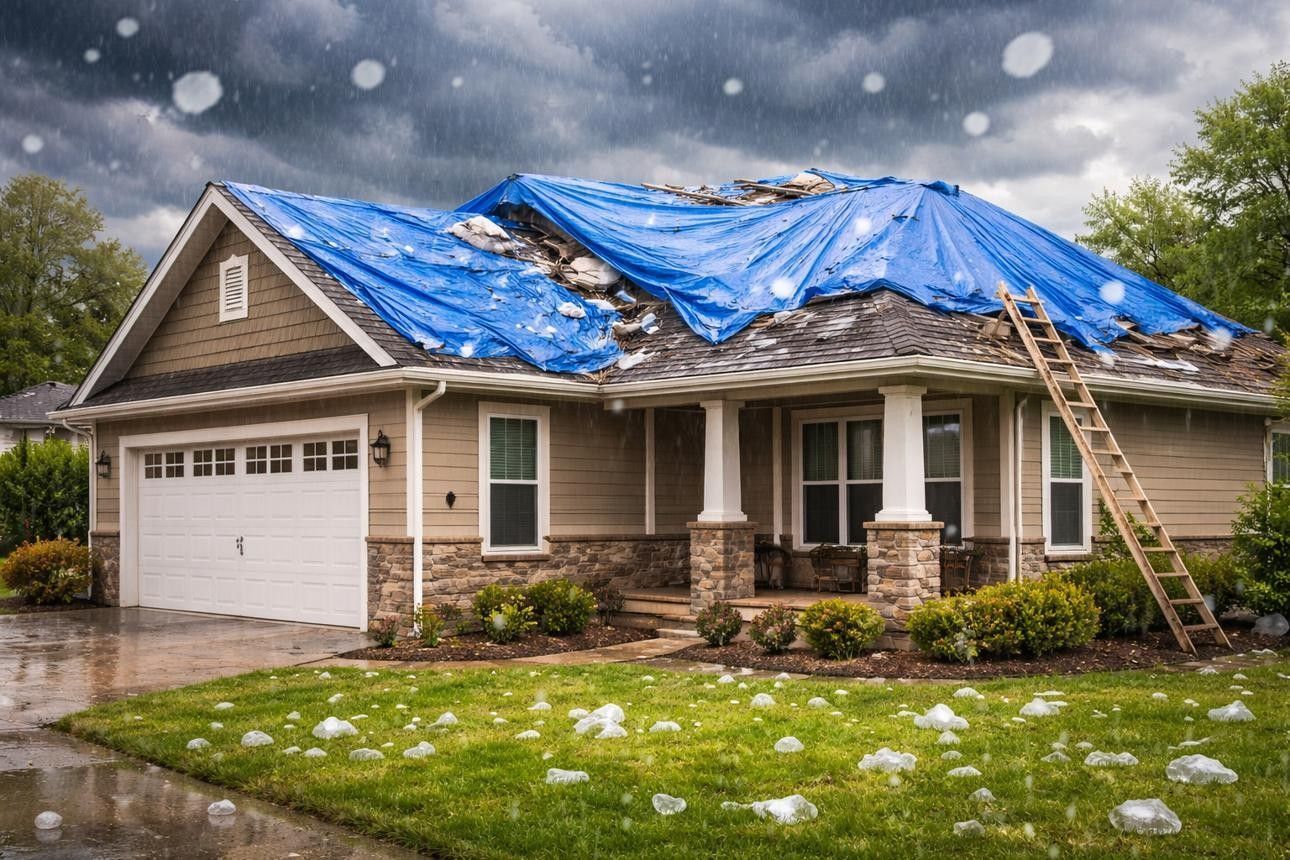
Storms, hail, wind, and other weather-related losses have increased in frequency and severity. When insurers pay out more in catastrophic claims, it impacts pricing across the market.

Higher Claim Severity.

When accidents do happen, the cost per claim is higher than it used to be. Advanced vehicles and increased repair expenses mean insurers are paying more per incident.

Used Car Values Remain Elevated

This surprises many people.

If your vehicle is totaled, your insurance company must pay what it is worth today — not what you originally paid. Used car values have remained higher than historical norms, meaning total loss payouts are larger.

That cost is built into overall premium calculations.

Coverage Adjustments You May Not Notice.

Sometimes increases are not strictly market-driven. Small automatic adjustments may occur within your policy.

Replacement Cost Updates.

Many home policies automatically adjust replacement cost values to keep up with inflation and building cost increases.

Coverage Limit Changes.

State-required updates or internal underwriting changes can slightly modify limits or endorsements.

inflation guard endorsements

These are designed to protect you by increasing coverage gradually over time — but they can also raise your premium.

where we come in

At RecLending Insurance Services, our role isn’t just to provide quotes. We help clients understand why things are changing and whether any adjustments make sense.

It’s Not Just About Finding a Lower Price

Sometimes the right move is adjusting a deductible. Other times, it’s confirming your coverage is structured correctly. And if shopping makes sense, we help ensure you’re comparing equivalent coverage — not unknowingly giving something up.

What Can You Actually Do?

You can’t control the overall insurance market — but you’re not stuck either.

 1. Review Your Deductibles

A higher deductible may lower your premium if it fits your financial comfort level.

2. Confirm Coverage Still Fits

Make sure you’re not overinsured or underinsured. Life changes, and coverage should reflect that.

3. Ask About Discounts

Bundling policies, safe driving, security systems, and home features may qualify you for savings.

4. Shop the Right Way

If you compare quotes, ensure coverage levels and endorsements are truly comparable — not just cheaper.

Final Thoughts

Rate increases are frustrating — especially when you feel like you’ve done everything right.

Most of these changes are driven by larger industry and economic trends, not something specific to you. Still, a renewal notice is a good opportunity to review your policy and make sure everything aligns with your needs.

If you’d like a second opinion or want help reviewing your options, we’re always happy to walk through it with you.

Recent Posts

April 21, 2026
Does Boat Insurance Cover Tournament Fishing?
Boat Wreck on shore
March 9, 2026
Boat insurance for fishing boats: what every owner should know about protecting rods, electronics, upgrades, and equipment. Expert tips from RecLending Insurance Services